The World

Procedural World Generation

The game world is generated using a Whittaker diagram approach — temperature and moisture noise maps combine to create 14 distinct biomes, each with unique terrain, resources, hazards, and atmosphere. From rolling meadows and dark forests to scorching deserts and volcanic wastelands, the world is organized into chunks that load dynamically as you explore, with a fog of war that reveals terrain only as it's visited.

Meadow village with Peddler's Stall, Meadow Inn, Hay Farm, and Bonfire Meadow
Desert village with Sun Temple, Camel Stable, Oasis Cantina, and Sand Forge Desert
Mountain village with Peak Sanctum, Watchtower, Mountain Forge, and Runestone Mountains
Enchanted Grove village with Moonlit Glade, Moonwell, Spirit Tree Sanctum, and Spell Mill Enchanted Grove
Farmland village with General Store, Village Well, Forge, Grain Mill, and Farmstead Farmland
Coastal village with Tidemother's Chapel, Harbor Market, Shipwright's Workshop, and Harbor Dock Coast
River Delta village with Raftsman's Rest, Rain Cistern, Levee Forge, Water Mill, and Paddy Field River Delta
Volcanic biome with lava flows, scorched terrain, and rocky outcrops Volcanic
MeadowRolling green hills, safe starting area
Dense ForestDark canopy, ancient trees, hidden paths
MountainsRocky peaks, ore-rich caverns, thin air
DesertScorching dunes, oases, buried ruins
SwampMurky waters, toxic fog, rare herbs
TundraFrozen wastes, blizzards, survival
CoastSandy shores, tidal pools, maritime life
VolcanicLava flows, ash fields, extreme danger
Ancient RuinsCrumbling temples, undead guardians
Crystal CavesGlowing underground, gem deposits
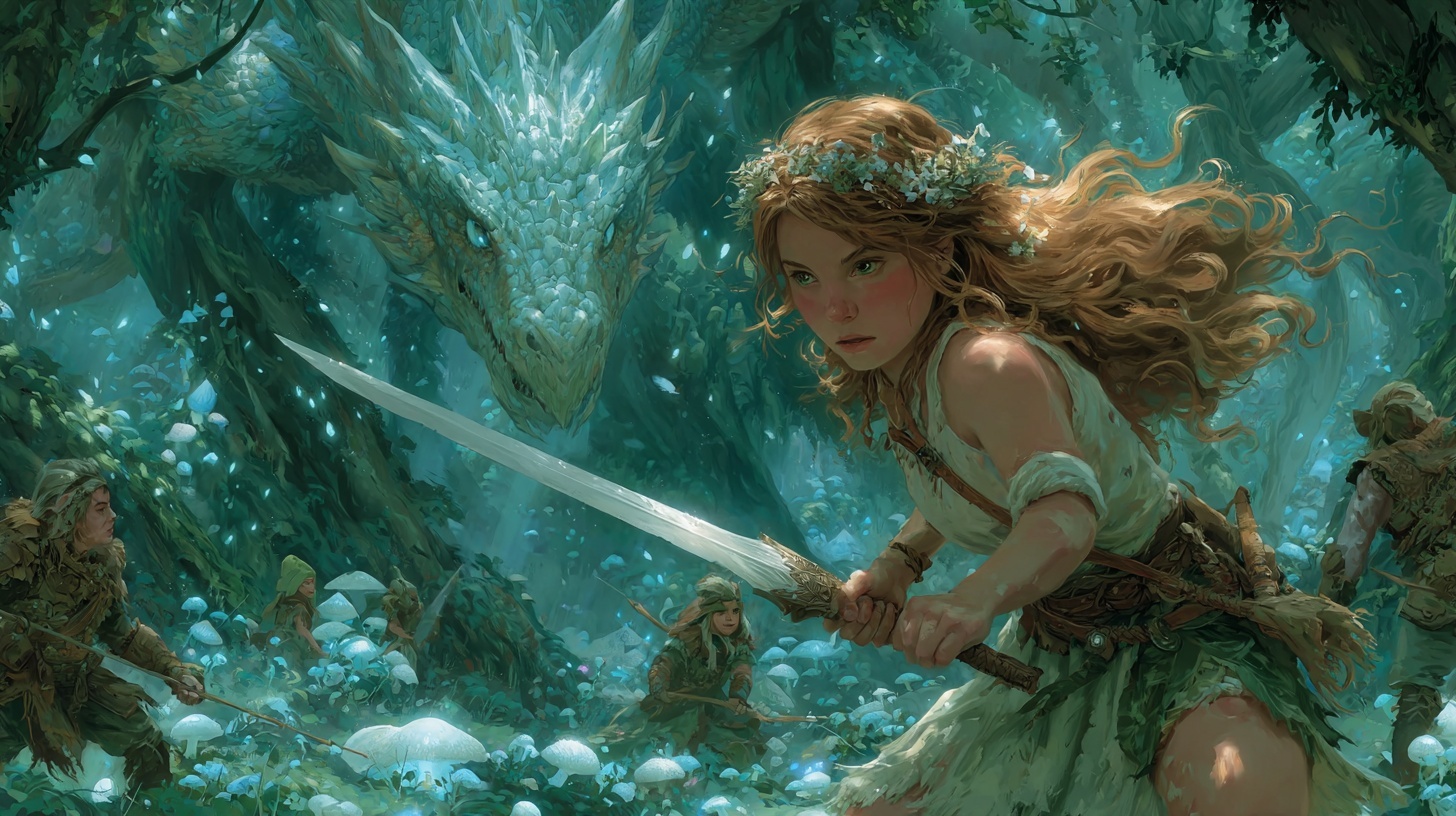
Enchanted GroveMagical forest, fae creatures
Dark HollowPerpetual shadow, cursed ground

Villages & Cultures

Villages spawn procedurally — their size, layout, and buildings are all shaped by the surrounding biome. 40+ building types are placed using a tiered system, with specialized structures like cathedrals and guildhalls appearing only in larger settlements.

Each biome produces a distinct culture — Meadowfolk are friendly nature-worshippers, Cragborn mountaineers are fierce and honor-bound, Tidecallers are free-spirited ocean devotees. Culture shapes NPC speech, values, trade preferences, and willingness to fight.

AI NPC Interactions

Survival

You begin as a homeless farmer boy with nothing. Survival depends on managing energy — your life force, depleted by actions and combat, restored by rest and food — and hunger, which increases over time and accelerates energy drain when neglected. Sleep, weather, and seasonal effects all impact your condition. Storms slow movement. Winter halts crop growth. Night brings monsters.

Procedural Identity

Every NPC is procedurally generated from 37 possible roles — farmer, blacksmith, warrior, priest, enchanter, guildmaster, lord, bandit, and many more. Each gets a culturally appropriate name, personality, family relationships, and a daily schedule that shifts between sleeping, working, eating, and socializing.

Real Conversations

NPC conversations are powered by AI with full context awareness. Each villager responds in character based on their personality, backstory, and current mood. Conversations are summarized, embedded as vectors, and stored — so NPCs remember what you told them, promises you made, and how you've treated them.

Responses include sentiment analysis and reputation changes — say the right thing and earn favor; insult them and the whole village hears about it through the gossip system. If your reputation drops low enough, you get banished. Game over.

Voice

Six distinct voice types with per-role pitch and rate adjustments. Blacksmiths speak in deep, slow tones; merchants are quick and enthusiastic; elders are measured and deliberate.

Economy & Trade

Village Economy Simulation

Each village runs a persistent economic simulation with stockpiles across 6 resource categories. Production rates vary by biome — mountain villages produce abundant ore but little food. Village health ranges from thriving to abandoned based on resource levels, and sustained surplus leads to expansion while shortages cause decline.

Reputation-Based Trading

Every merchant NPC maintains gold, inventory, and a buy list. Prices shift with reputation — beloved customers get 25% discounts, hostile strangers pay 50% markups. 85+ items are available across building types, with biome-specific variants.

Caravans

Eight caravan traders travel between villages in real-time, carrying biome-specific goods between regions. They walk at 90 px/s during daytime, stay at each village for 2-4 game hours, and flee from monsters at 130 px/s to reach village safe zones.

Crafting

168 Recipes, 7 Stations

Craft at the hand, workbench, forge, kitchen, alchemy table, loom, or altar. Recipes unlock through reputation with NPCs, skill progression, and discovery. Every crafted item has a quality tier — poor, normal, good, or excellent — determined by skill-based minigames.

Crafting Minigames

Five minigame types: timing (hit the mark), temperature (maintain heat), rhythm (match beats), balance (keep steady), and sequence (follow the pattern). Your performance determines the quality and value of the result.

Combat

Night Monsters

Night brings danger. Each biome spawns unique monster types — 27 regular monsters and 14 overworld bosses. Monsters use multi-target AI, evaluating all potential targets and prioritizing based on proximity and aggro. Light sources suppress spawning, creating safe zones near torches and campfires.

Companions

Recruit NPCs as combat companions through high reputation — up to 4 in the overworld, 6 in dungeons. Warriors tank, priests heal, scouts fire arrows. Each role brings unique abilities: Rally Cry, Heal, Poison Coat, Armor Break. Companions can die permanently, imposing reputation penalties and morale debuffs.

Boss Encounters

Multi-phase boss fights with transforming attack patterns, enrage timers, and arena hazards. Special attacks include ground slam, charge, fire breath, frost nova, poison cloud, teleport strike, and summoning reinforcements.

Dungeons

Procedural Generation

Each biome has a dungeon entrance. Dungeons are generated from deterministic seeds using Binary Space Partition — 250x150 tile maps with 15-20 rooms connected by corridors. Room types include combat, resource, treasure, and boss chambers, all themed to the surrounding biome.

Amplified Danger

Dungeon monsters hit harder: 3x HP and 2x damage over their overworld counterparts. Bosses get an additional 3x HP and 1.5x damage. Hazard tiles — spike traps, lava, ice, poison, and pits — add environmental danger.

Tiered Loot

Loot scales from common materials in combat rooms to guaranteed equipment drops from bosses. Boss gear is tiered by biome difficulty — easy biomes drop steel, hard biomes drop obsidian, extreme biomes drop mithril.

Village Warfare

Military Power

Every village maintains military strength based on culture aggression, garrison size, training, fortifications (none through fortress), mercenaries, and economic funding. Aggressive villages with high power declare war on weaker neighbors.

Defensive Formations & Traps

Attacked villages organize into three-ring defensive formations — melee warriors at the front, ranged scouts behind, healers at the core. NPCs place 10 trap types along approach lanes: spike pits, bear traps, fire bombs, caltrops, magical wards, frost runes, and more.

Conquest & Manipulation

Conquered villages undergo cultural assimilation over 28 game days. Territory is tracked per-chunk and visualized on the world map. The player can manipulate villages into conflict — lie about attacks, rally war parties, or trigger retaliation through careful companion management.

Under the Hood

Pixi.js v8 WebGL rendering with 180+ sprite types
TypeScript Strict typing across client, server, and shared code
AI NPC conversations with persistent vector memory
PostgreSQL + pgvector Semantic memory search for NPC recall
Fastify High-performance Node.js API server
Procedural Generation Whittaker biomes, BSP dungeons, cultural systems